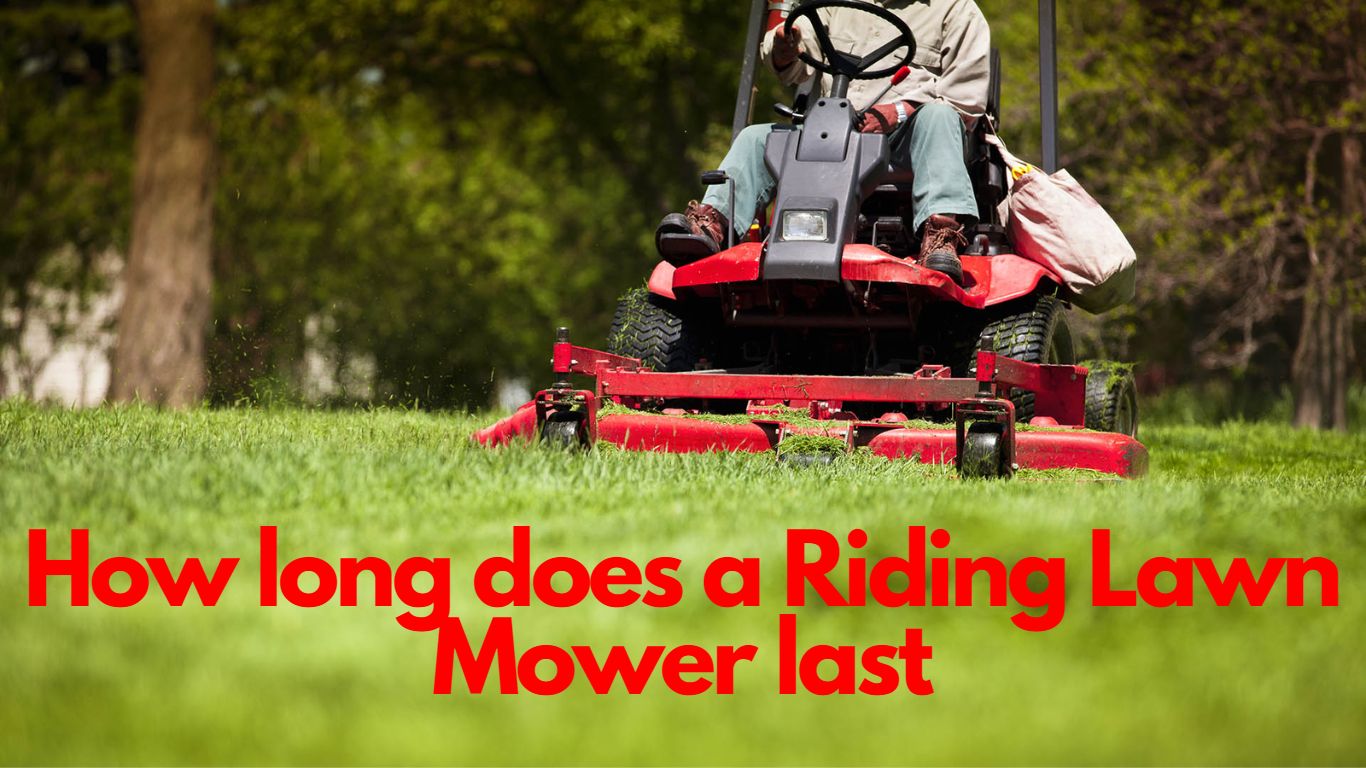
When you purchase a riding lawn mower, it’s more than just a tool—it’s an investment in your lawn’s future. But how long does a riding lawn mower last before it’s time to consider a replacement? I’ve often pondered this question myself, and the answer isn’t straightforward. The lifespan of your mower hinges on several factors: how often you use it, how well you maintain it, and even the quality of the machine itself. Check out Best Lawn Mower for Hills‘s content below to learn how proper care and maintenance can help you extend the life of your lawn mower far beyond the average, ensuring it remains a reliable companion in your lawn care routine for many seasons to come.
What Is the Average Lifespan of a Riding Lawn Mower?
Residential vs. Commercial Use—Does It Make a Difference?
In my experience, the lifespan of a riding lawn mower can vary significantly depending on whether it’s used in a residential or commercial setting. Residential riding lawn mowers typically last between 8 to 10 years with regular use and proper maintenance.
On the other hand, commercial models, designed for more rigorous and frequent use, can endure for longer periods—especially if they are meticulously cared for. These machines are built to handle the demands of extensive daily mowing, so with the right maintenance, their longevity can far exceed that of residential models.

Commercial mowers outlast residential models with proper care and maintenance
Measuring in Hours—What’s a Good Benchmark?
Many riding lawn mowers are rated by the number of hours they can operate effectively, which can help answer the question, how long does a riding lawn mower last. For residential models, a lifespan of around 500 to 700 hours is common under normal usage conditions.
However, with diligent maintenance—such as regular oil changes, blade sharpening, and timely repairs—exceeding 1,000 hours is not only possible but quite achievable. This hour-based measurement provides a more tangible benchmark for understanding the potential lifespan of your mower and underscores the importance of consistent care.
Factors That Influence the Lifespan of Your Riding Lawn Mower
Maintenance—The Key to Longevity
From years of tending to my own garden machinery, I’ve learned that regular maintenance isn’t just a recommendation—it’s crucial. Neglecting to change the oil, sharpen the blades, or replace the air filter can significantly decrease your mower’s lifespan. These seemingly small tasks play a massive role in the overall health and efficiency of your mower. It’s like caring for a classic car; without regular upkeep, it won’t be long before you start encountering serious problems.
Usage—How Often and How Hard Is Your Mower Working?
The amount and intensity of use greatly affect the durability of your riding lawn mower. Frequent mowing of large or hilly terrains can accelerate wear and tear. To manage this, consider alternating your mowing patterns and ensuring that your mower is properly stored away from the elements when not in use. Such practices distribute the workload evenly and can extend the lifespan of the machine.

Intense use of large terrains accelerates wear on riding mowers
Quality of Parts—Does Brand Matter?
Indeed, the quality of the mower and its components is pivotal when considering how long does a riding lawn mower lasts. A robust engine, a reliable transmission, and durable blades contribute significantly to the mower’s longevity. Over the years, I’ve observed that higher-quality brands often require fewer repairs and last longer. Investing in a reputable brand might seem expensive initially, but it can offer substantial savings in maintenance and replacement costs over time.
Environmental Factors—The Hidden Impact
Environmental conditions also play a critical role. Continuous exposure to rain, sun, or extreme temperatures can wear down even the sturdiest mowers. I always advise you to store your mower in a dry, shaded place. If that’s not possible, using a cover can protect it from the elements. Proper environmental care can prevent many of the common issues that lead to the degradation of outdoor equipment.
When Is It Time to Replace Your Riding Lawn Mower?

Frequent breakdowns and uneven mowing signal a mower nearing its end
Recognizing the Signs—Is Your Mower on Its Last Legs?
Sometimes, it’s clear: your mower begins to show undeniable signs of aging. Frequent breakdowns, challenges in starting up, mowing unevenly across your lawn, or even consuming more fuel than it used to—are all indicators that your mower might be nearing the end of its road. Observing these symptoms early can save you from a sudden malfunction at a critical time.
Repair vs. Replace—When Does It Make Sense to Let Go?
There comes a moment when continuing to repair an old mower no longer makes financial sense. If your riding lawn mower has aged significantly and the costs for repair begin to rival the price of a new model, it may be time to upgrade. Consider the availability of parts and the potential for future breakdowns. Replacing your mower might offer not only more reliability but also updated features that improve your mowing experience.
Tips for Extending the Lifespan of Your Riding Lawn Mower
Regular Maintenance—Your Mower’s Best Friend
I can’t stress enough how essential regular maintenance is for the longevity of your mower. It’s the little things—changing the oil, inspecting the spark plugs, and sharpening the blades—that make all the difference. A detailed maintenance checklist that you follow consistently will keep your mower running smoothly for years. Following the manufacturer’s maintenance schedule is the best way to ensure you’re covering all the necessary tasks, which will save you from costly repairs down the road.

Consistent maintenance like oil changes and blade sharpening extends mower life
Proper Storage—Shielding Your Mower from the Elements
Storing your mower in a dry, sheltered location is crucial for protecting it from weather-related damage. Whether it’s keeping it in a garage, a shed, or using a sturdy cover, safeguarding your mower from the elements like rain, snow, and intense sunlight can significantly prolong its life. I’ve seen many mowers deteriorate quickly simply because they were left out in the open, unprotected.
Using Quality Fuel and Parts—Don’t Skimp on the Essentials
Using high-quality fuel and genuine replacement parts might seem like a small detail, but it plays a significant role in maintaining your mower’s performance. Poor-quality fuel can lead to engine issues over time, and subpar parts might not fit or function as well as the originals, leading to further problems. I always recommend investing in the best fuel and parts you can afford—it’s a decision that pays off in the long run.

Using high-quality fuel and genuine parts ensures better mower performance
Aftermarket Accessories and Modifications—Enhancing or Hurting Longevity?
While aftermarket accessories and modifications can offer enhanced functionality or performance, they can also pose risks if not chosen wisely. It’s tempting to add customizations, but always consult the manufacturer’s recommendations before making changes. Some modifications may void your warranty or even shorten the lifespan of your mower by putting undue stress on certain components. If you’re considering modifications, weigh the potential benefits against the risks to your mower’s longevity.
Frequently Asked Questions About Riding Lawn Mower Lifespan
How Often Should I Service My Mower to Maximize Its Lifespan?
In my experience, regular maintenance is very important, it will answer the question of how long does a riding lawn mower lasts. I recommend a thorough check-up before and after the mowing season. This includes oil changes, spark plug inspections, and blade sharpening. Sticking to a consistent maintenance schedule is the best way to catch potential issues before they become costly repairs.
What Are the Signs That My Mower Is Nearing the End of Its Lifespan?
You can often tell when your mower is reaching the end of its useful life. Look for frequent breakdowns, difficulty starting, uneven mowing patterns, and increased fuel consumption. If you notice any of these signs, it might be time to start considering a replacement.
Can I Extend the Lifespan with Aftermarket Parts or Modifications?
While aftermarket parts and modifications can seem like a good idea for boosting performance, they can also be a double-edged sword. In some cases, these additions may void your warranty or introduce new issues. It’s essential to consult the manufacturer’s guidelines before making any changes to ensure you’re not inadvertently shortening the life of your mower.
How Does Fuel Quality Impact My Mower’s Lifespan?
Fuel quality is more important than many people realize. Using clean, high-octane fuel can prevent engine problems and contribute to a longer mower lifespan. Poor-quality fuel can lead to clogged filters, carbon buildup, and other issues that diminish performance over time.
When Is It More Cost-Effective to Replace Rather Than Repair My Mower?
Deciding whether to repair or replace your mower depends on a few factors: the age of the mower, the cost of repairs, and the availability of parts. If repairs are becoming frequent and costly, it might make more sense to invest in a new mower. Upgrading could also provide you with better technology and more efficient operation.
Conclusion
When I think about the longevity of a riding lawn mower, it reminds me that these machines, much like our gardens, thrive on the care we provide. How long does a riding lawn mower last? The answer depends on the regular maintenance tasks and the quality of parts we choose—every decision plays a role in how many years of service we’ll get from our mower. The key takeaway is simple: with a bit of attention and the right approach, you can extend the life of your mower well beyond the average lifespan. It’s about being proactive, addressing issues before they become problems, and ensuring that your investment continues to deliver reliable performance.
So, as you continue to tend to your lawn, take a moment to think about your mower. Are you giving it the attention it needs? I encourage you to implement the maintenance tips we’ve discussed. By doing so, you’re not just maintaining a tool; you’re preserving the future of your lawn care routine, ensuring that your mower remains a trusted companion for years to come.

